Customers don’t buy the moment they see your brand.
They explore. Compare. Hesitate. Leave. Come back.
And sometimes… they disappear completely.
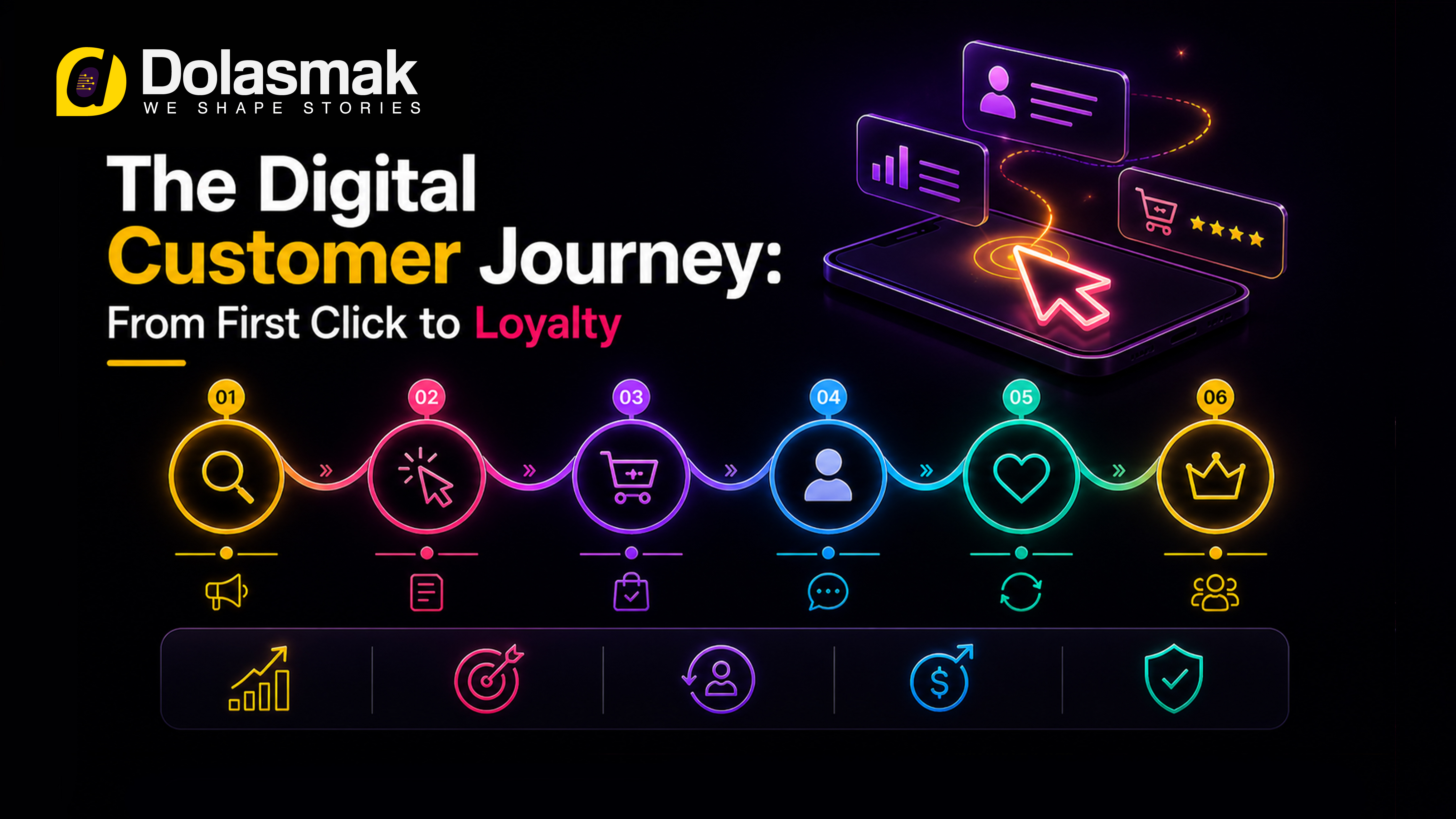
This path — from discovering your brand to becoming a loyal customer — is what we call the digital customer journey.
In 2026, this journey is more complex than ever. People interact with multiple platforms, consume different types of content, and expect seamless experiences at every step.
If you don’t understand this journey, you’re not just missing sales — you’re losing customers before they even consider you.
Let’s break it down in a simple, practical way.
If you want to understand this in more detail, you can explore this Customer Journey Guide by HubSpot.
Understanding the Modern Digital Buyer
Today’s customer is informed, impatient, and selective.
They don’t rely on a single source. They explore multiple touchpoints before making a decision.
A strong customer journey marketing strategy starts with understanding this behavior.
What Has Changed?
- Customers research before buying
- They compare multiple options
- They trust reviews more than ads
- They expect quick and smooth experiences
The New Buying Behavior
Instead of a straight path, the journey now looks like this:
- Discovery → Research → Comparison → Decision → Loyalty
At each stage, your brand either builds trust… or loses it.
Why This Matters
Understanding the digital customer experience helps you:
- Deliver the right message at the right time
- Improve engagement
- Increase conversion rates
Without this clarity, marketing becomes guesswork.
Key Touchpoints That Influence Purchase Decisions
You can also explore insights from Google Consumer Insights to better understand user behavior.
Customers don’t rely on one interaction.
They move across platforms — and every interaction shapes their decision.
Search, Social Media, Reviews, and Email
These are the most important touchpoints in any customer journey mapping process.
1. Search (Google & SEO)
Search is often the first interaction.
People look for:
- Solutions to problems
- Product comparisons
- Reviews and recommendations
If your brand doesn’t appear here, you lose early attention.
2. Social Media
Social platforms build awareness and trust.
Customers use them to:
- Discover brands
- Watch content
- Evaluate credibility
Consistent and valuable content plays a big role here.
3. Reviews & Testimonials
Before buying, people check what others say.
Reviews influence:
- Trust
- Credibility
- Final decisions
A strong review presence can significantly boost conversions.
4. Email Marketing
Email keeps your brand connected with the customer.
It helps:
- Nurture leads
- Share updates
- Encourage repeat purchases
This is essential for long-term engagement.
Why Touchpoints Matter
Each interaction either:
- Moves the customer forward
- Or creates doubt
Optimizing these touchpoints is key to effective customer journey optimization.
How Businesses Can Optimize Every Stage
Understanding the journey is step one.
Optimizing it is what drives results.
1. Awareness Stage (First Click)
This is where customers discover you.
Focus on:
- SEO content
- Social media visibility
- Paid ads
Goal → Get attention
2. Consideration Stage
Customers evaluate options.
Focus on:
- Educational content
- Case studies
- Comparisons
Goal → Build trust
3. Decision Stage
Customers are ready to act.
Focus on:
- Clear offers
- Strong CTAs
- Testimonials
Goal → Convert
4. Retention & Loyalty Stage
Most businesses stop after the sale.
That’s a mistake.
Focus on:
- Email follow-ups
- Customer support
- Loyalty programs
Goal → Build long-term relationships
The Role of a Digital Marketing Funnel Strategy
The digital marketing funnel strategy aligns with the customer journey.
It ensures:
- The right content reaches the right audience
- Every stage is optimized
- No opportunity is missed
Without a funnel, your marketing lacks direction.
Real-World Example
Let’s say a customer wants to buy a service:
- Searches online → finds your blog
- Visits your social page → sees your content
- Checks reviews → builds trust
- Gets an email offer → converts
That’s a complete online customer acquisition strategy in action.
Remove one step — and you risk losing the customer.
Why Customer Experience Matters More Than Ever
In 2026, experience is everything.
Customers don’t just buy products.
They buy:
- Ease
- Trust
- Convenience
A smooth digital customer experience can be the difference between a one-time buyer and a loyal customer.
FAQs
What is the digital customer journey?
The digital customer journey is the process a customer goes through online — from discovering a brand to making a purchase and becoming loyal.
How do businesses map customer journeys?
Businesses map journeys by identifying key touchpoints, analyzing customer behavior, and optimizing each stage for better engagement and conversions.
How does digital marketing influence buying decisions?
Digital marketing influences decisions through content, ads, reviews, and personalized communication that guide customers through each stage.
Final Thoughts
Customers don’t just “buy.”
They experience your brand step by step.
The businesses that win are the ones that understand and optimize every part of that journey.
A strong customer journey marketing strategy helps you:
- Attract the right audience
- Build trust consistently
- Convert more effectively
- Retain customers longer
Call to Action
At Dolasmak Digital, we help businesses design and optimize complete digital customer journey systems.
From awareness to loyalty, we build strategies that guide customers at every step.
If you want to turn clicks into long-term customers—
Let’s build your customer journey strategy today.